The Land Of The Isle Of May

The Isle of May and puffins go together like bread and butter, like toast and jam, like haggis and Scotland. And this low-lying jewel of an island in the Firth of Forth was home this year to 46,200 breeding pairs of puffins – the clowns of the sea.

Puffins steal the glory but there are also thousands upon thousands of breeding pairs of kittiwakes, guillemots, razorbills, and greater and lesser black-backed gulls.
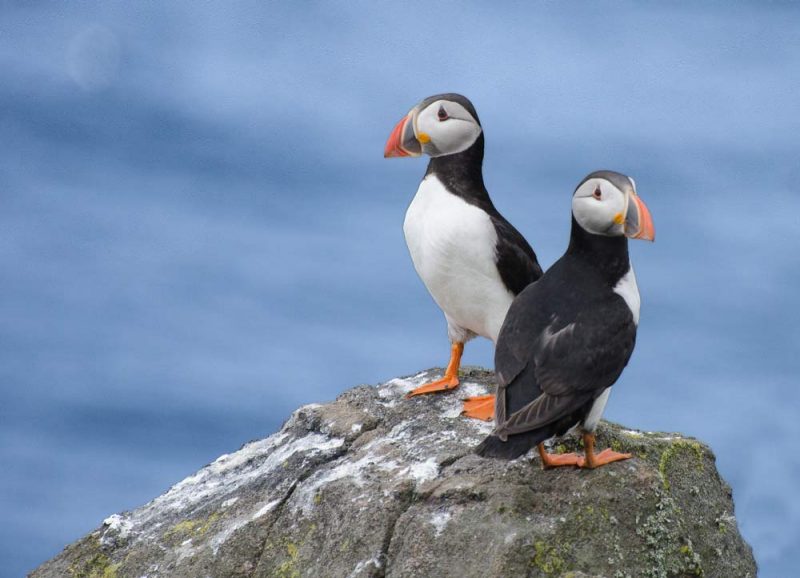
puffins

The Island Itself

With all those birds it is easy to overlook the island itself, so here is a short photo essay on the ‘island’ of the Isle of May.

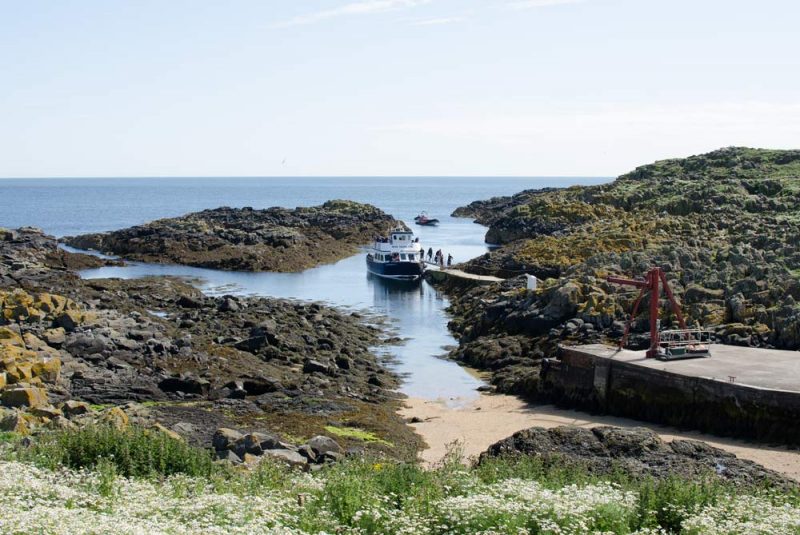
The first photo below is a shot looking down to the small harbour on the eastern side of the island. The tide rises five metres (about sixteen feet), and the rocks between the two tides are covered in bladder wrack.

At high tide boats use the second landing stage. That’s the one with the red gantry nearer the bottom right of the frame.

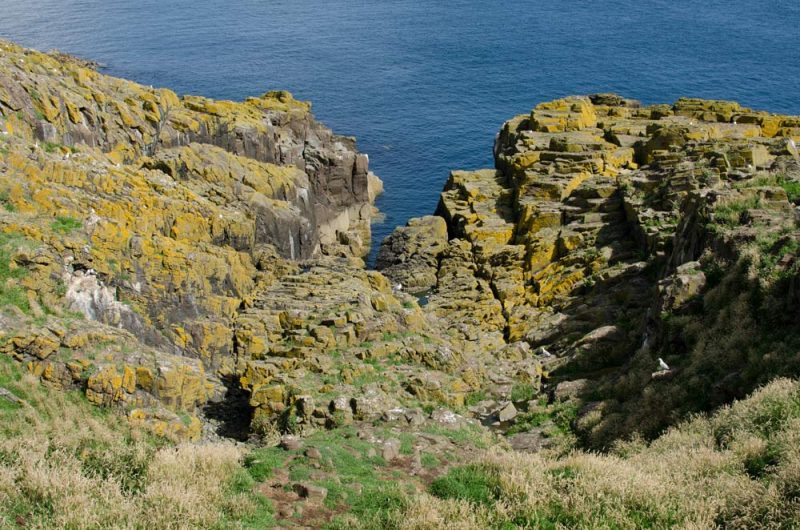
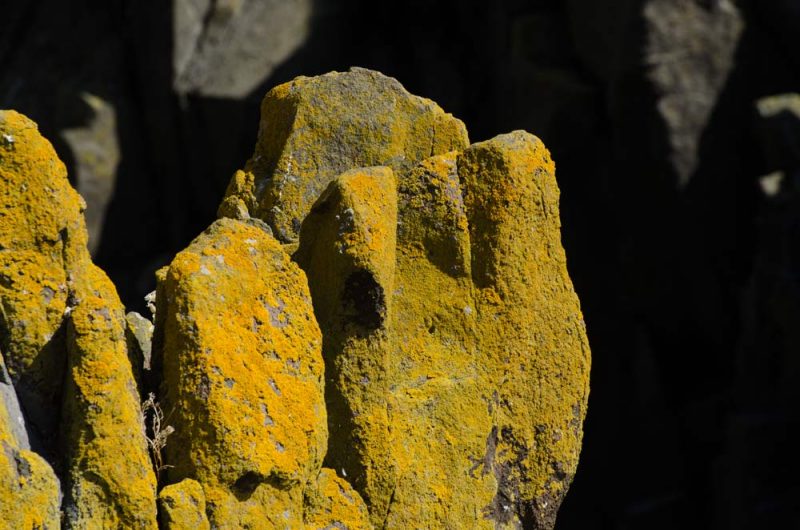
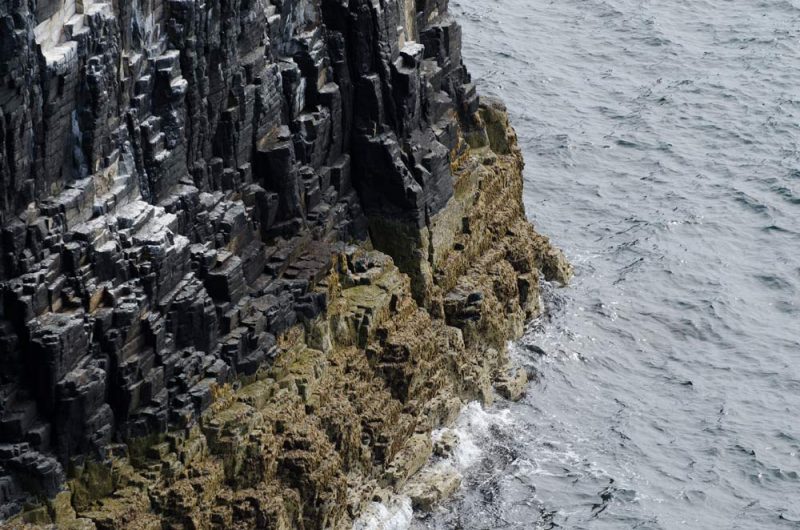
And way over on the north side of the island is Bishop’s Cove, where the rocks drop sheer to sea in a tumble of layers and columns, while further around towards the west, the rocks are covered in bright yellow lichen.
isle-of-may-02

isle-of-may-01

isle-of-may-03

isle-of-may-04


Of LightHouses and Lightships

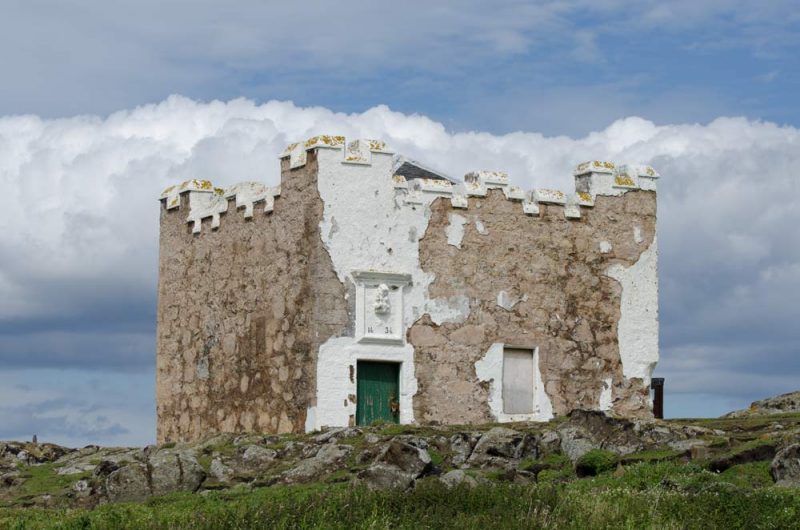
There are buildings on the island – from Second World War radar installations all the way back to the first Lighthouse that was built in 1636.

In this shot you can see the original lighthouse – a tiny white square in the distance – and next to it is the lighthouse that replaced it. The story goes that Sir Walter Scott was instrumental in preserving the old lighthouse from demolition.

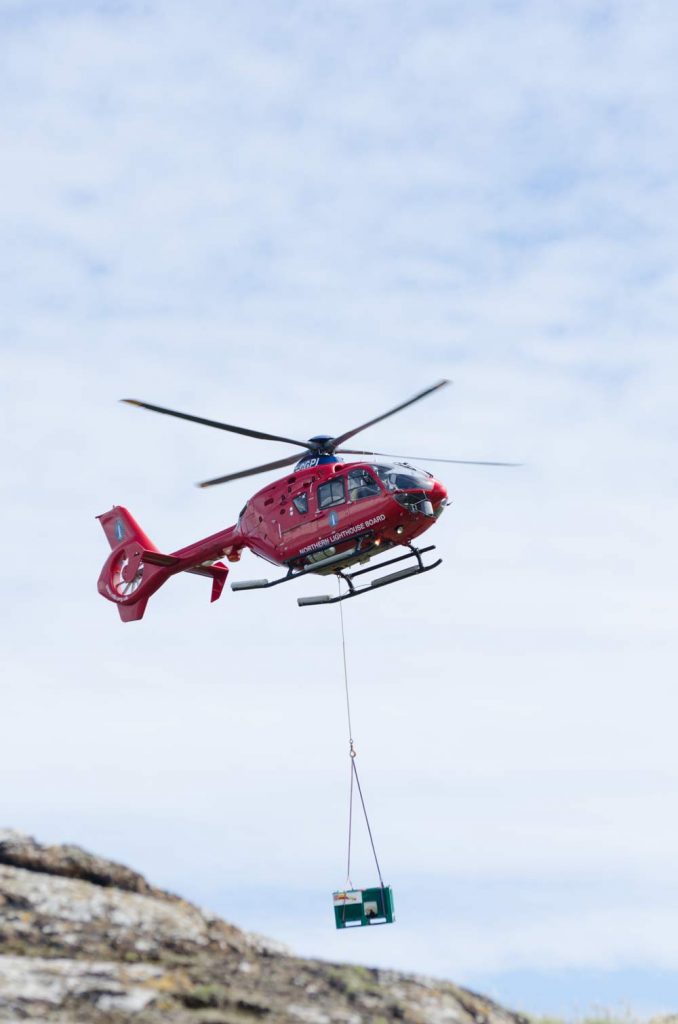
The ‘new’ lighthouse is no longer used. There is now a lightship moored just off the coast. Can you see the helicopter hovering over the lighthouse in the first shot? It was transporting material between the two lighthouses.

isle-of-may-lighthouses

isle-of-may-lighthouse-1636


northern-lighthouse-board-helicopter

Gannets on Bass Rock

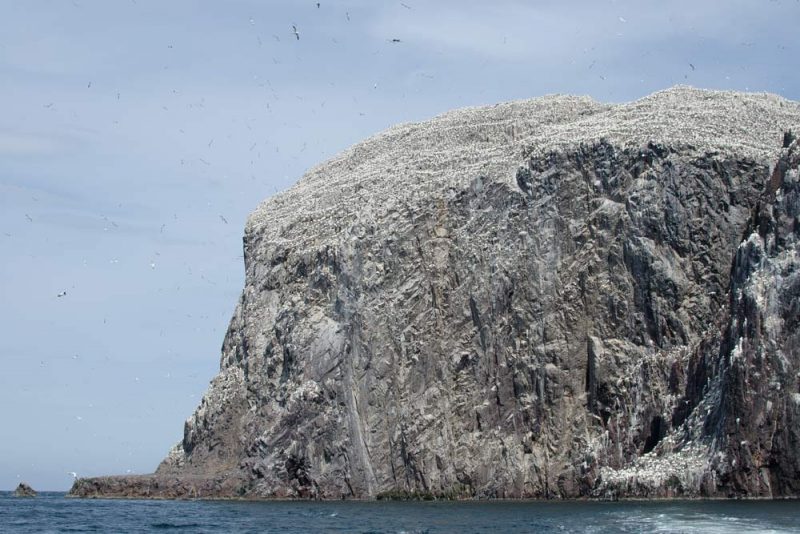
Bass Rock in the Firth Of Forth sticks out of the water with sheer cliffs all around.

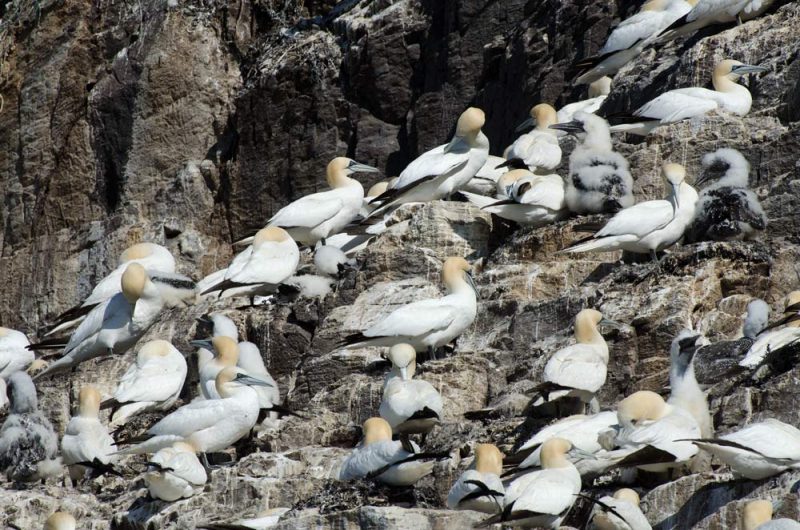
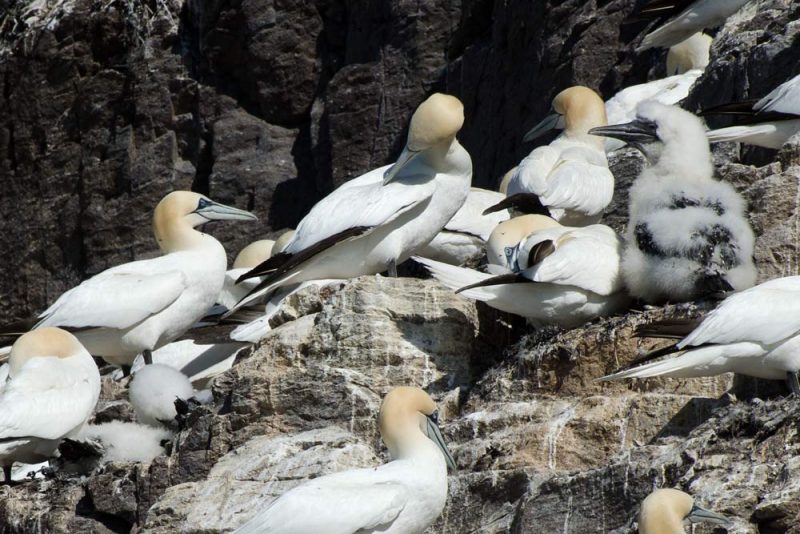
From a distance the top of the rock looks white. It’s white with the density of gannets that call it home during the breeding season.

At 150,000 birds, it’s the largest colony of Northern Gannets in the world. It has grown year on year but looking back to earlier in the 20th century there were no gannets.

The top of the rock was green – the green of meadows and planted fields. The produce from them helped to support a small population of lighthouse keepers and their families.

The lighthouse is still in use but since 1988 it has been run by remote control. The Commissioners of the Northern Lighthouse Board monitor it from their headquarters in Edinburgh.

With the human disturbance gone the gannets claimed the rock as their own. And once established, the breeding pairs return year after year.

Visiting in 2015

The Scottish Seabird Centre run trips to Bass Rock. Landings depend on the weather and you need to be fit.

I and eleven others were in an inflatable RIB, having just visited the Isle Of May.

On the way back to North Berwick we idled in the waters for a while. We didn’t land but we did see gannets. I was truly staggered with the sheer numbers overhead. It was amazing – one of those times when my head stops and I know I am enjoying something so deep that it clears the fog.

That’s when I took these shots.

gannets-bass-rock-01

gannets-bass-rock-02

gannets-bass-rock-03

See this article about puffins when we visited the Isle Of May in 2012.

Bass Rock From 2012

I never processed these photos in 2012, and they show the white top of the rock – so here they are. The second shot is the view of Bass Rock from North Berwick.

bass-rock-4

bass-rock-5

Woof! Bearded Collies

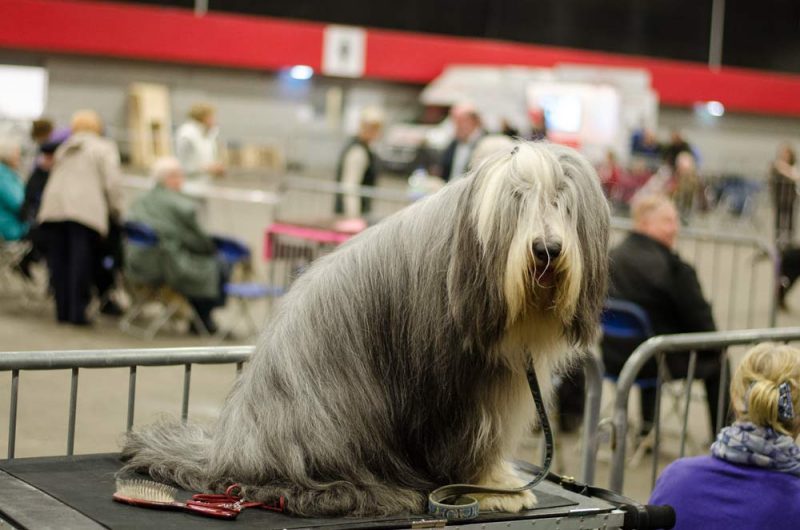
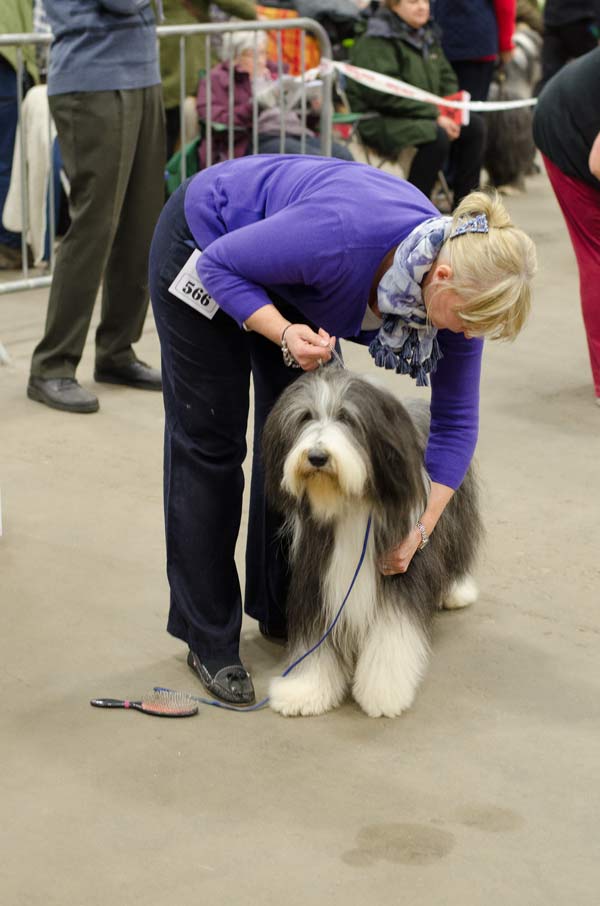
Sitting on a grooming table at the Scottish Breeds Show, this Bearded Collie sat patiently, immobile even, while all around him dogs were being walked, groomed, tended to, displayed, exhibited, and judged.

bearded-collie-on-the-table

Not only Bearded Collies, but also other Scottish breeds at the 31st General Championship Show of the Scottish Breeds Canine Club held at the Royal Highland Centre at Ingliston, near Edinburgh, on 28th March.

My wife Tamara thought it would be interesting to go see the show. And it was interesting. For example, dog exhibitors take a cage and a portable grooming table to the shows. That’s quite a lot of paraphernalia involved in exhibiting.

And everyone was forever brushing and grooming their dogs.

And pushing their dog’s back feet backwards and their front feet forwards so that they stood ‘just so’ when they were being judged.

And the judges felt down the length of the animals backs and haunches and opened their mouths and looked at their teeth – ‘My, what big teeth you have.’

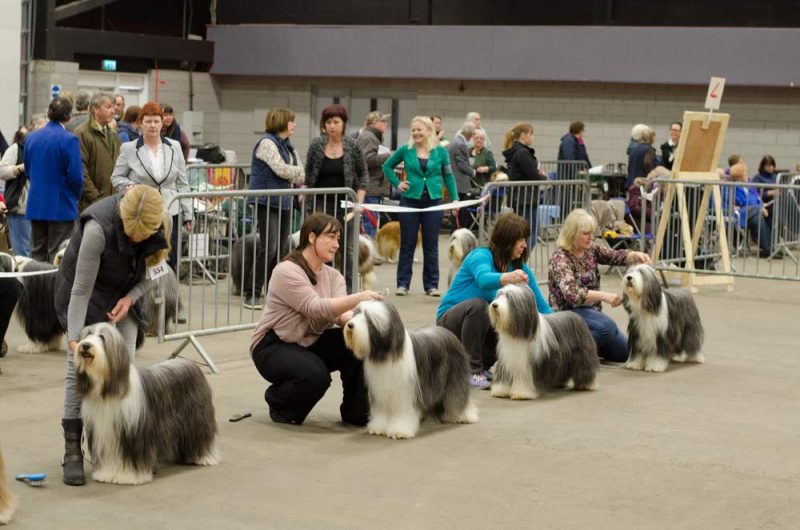
And here they are all lined up and ready to be judged. They were all incredibly patient and calm, waiting for their turn to strut their stuff and run around the ring with their owners. The way their long fine hair sweeps behind them, Bearded Collies look like they are heading into a gale-force wind when they are just trotting at a comfortable pace.

bearded-collies

This dog won best of breed at Crufts this year, and was in the top seven dogs at Crufts in all classes. Here it is with its owner Ms Waldron from Middlesex. And yes, she got first prize here, too.

jl-waldron-with-her-bearded-collie

And this is another Crufts winner with its owner, Mr Ritchie from Surrey. The reason I know this is because my wife is sociable and got chatting with one of the stewards.
sj-ritchie-with-her-bearded-collie

No Photos Of Other Dogs?

There were deerhounds and Skye terriers, and Smooth collies, and … and … – but I didn’t get around to taking photos of them – too engrossed in the Bearded Collies.